Film Studio Rental Dubai for Faster Shoots
Film studio rental Dubai for commercials, Reels, interviews, and virtual production. Choose the space, crew setup, and workflow that keep shoots moving.
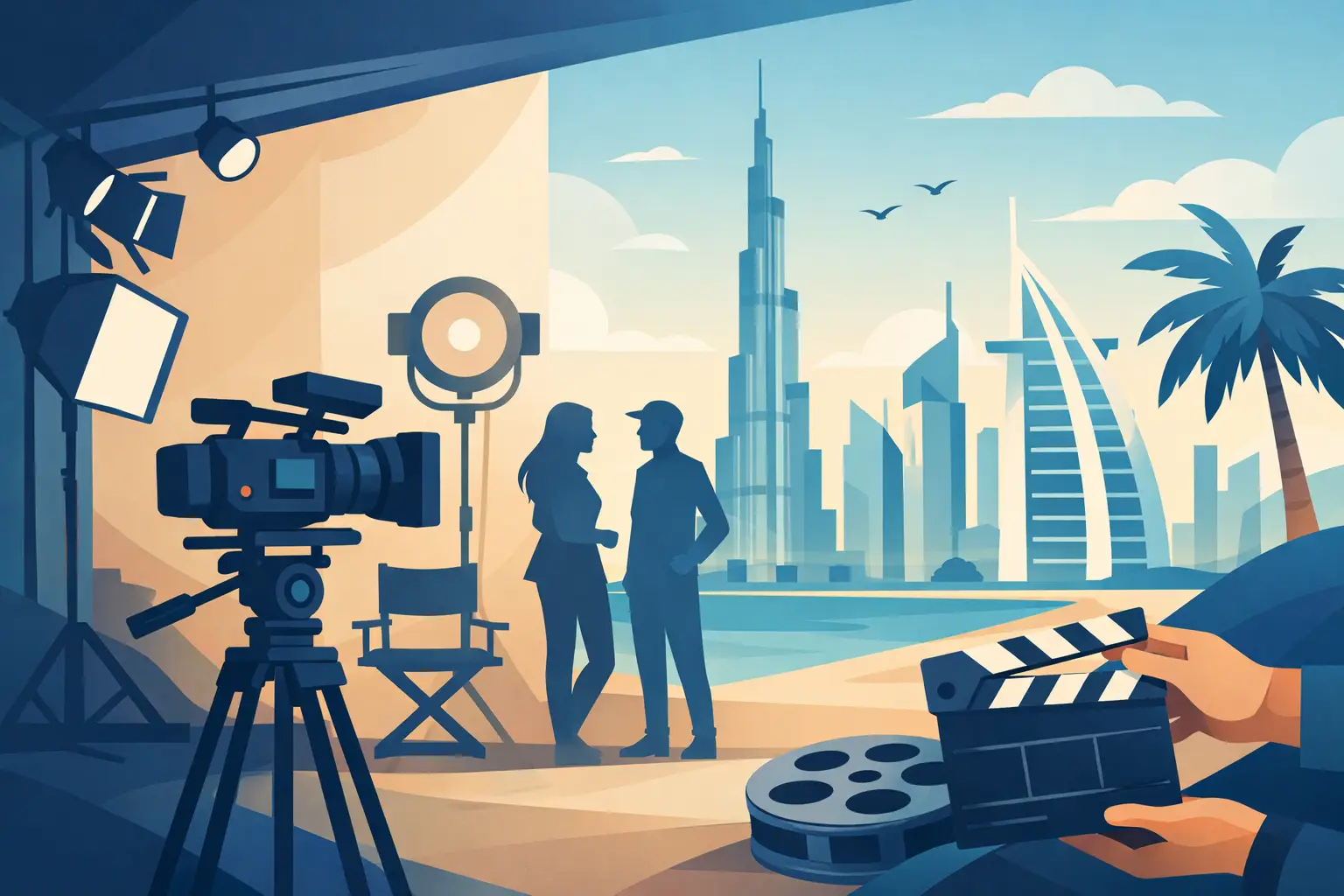
A film studio rental Dubai decision is rarely just about finding four walls and a camera-ready background. The right space determines whether your crew spends the day creating shots or solving avoidable problems: rebuilding lighting, hiding cables, fighting reflections, waiting on sound, or losing time between setups. For a commercial, social campaign, interview series, or virtual-production shoot, production readiness is what protects the schedule.
Dubai offers plenty of creative spaces, but not every studio is built for a working crew or a content plan with real deliverables. Before booking, define what has to be completed by wrap time. That single decision changes the size, equipment, workflow, and support your production needs.
What a Film Studio Rental in Dubai Should Include
A production studio should reduce variables before your first call sheet goes out. Start with usable floor space. A room may look generous in listing photos yet become cramped once you add a camera team, talent, lighting stands, monitors, styling racks, a client station, and cases. If your shoot involves movement, multiple angles, or a crew larger than a few people, clear working space matters more than decorative features.
Then look at the technical foundation. Professional lighting, controlled sound conditions, power access, grip options, and a setup that allows fast scene changes have a direct effect on both image quality and pace. Bringing specialized gear is normal for many crews. The point is not to replace every item in your kit. It is to avoid spending your rental hours building the basics from zero.
The background is equally strategic. A plain studio is flexible, but it can create a generic result unless the art direction is strong. An LED screen gives you more control over the final frame. It can support branded environments, product visuals, presentation graphics, city scenes, color fields, and visual transitions without moving the entire production to a new location. A mirror floor can add depth and polish, but it also requires deliberate lighting and wardrobe choices. It is a visual tool, not a default setting for every shoot.
Match the Studio to the Format, Not Just the Look
The most expensive mistake is booking a studio because it looks impressive online, then finding it does not fit the format. A talking-head series, a campaign with talent, and a product launch video all ask different things from the room.
Reels and social content days
For founders, personal brands, and marketing teams, the goal is often content volume. A single four-hour production block can produce enough material for weeks of publishing when the shoot is planned around short, repeatable formats. That may include direct-to-camera clips, educational segments, product messages, reaction shots, B-roll, and vertical cutaways.
The studio should make rapid resets easy. You need a lighting setup that stays consistent, several visual looks without a full rebuild, clean sound, and enough space for an operator, producer, talent, and support team to work without blocking each other. Editing also needs to be part of the plan. Raw footage is not a content calendar. If speed matters, confirm who is handling selects, captions, vertical framing, and delivery before shoot day.
Commercial and agency productions
Commercial shoots often need more control and more room for collaboration. Agencies may need a client viewing area, a video village, room for styling and makeup, and reliable access for equipment. Production companies also need clarity on what the rental covers versus what must be supplied by their own team.
Ask practical questions early: Can the studio handle your lighting load? Is there enough depth for the focal length and framing you need? Can you control ambient light? Are there restrictions on haze, set construction, food styling, or reflective surfaces? These details are less glamorous than a mood board, but they determine whether the creative treatment is realistic.
Corporate presentations and expert-led video
A polished corporate video should not feel like a slide deck recorded in a meeting room. An LED-backed studio can place a speaker inside a branded visual system, with presentation graphics visible behind them and a consistent, professional image across multiple sessions.
For trainers, executives, event speakers, and internal communications teams, sound is usually the deciding factor. A sharp image loses credibility quickly if the recording has echo, air-conditioning noise, or inconsistent levels. Choose a studio where the microphone, monitoring, and recording process are prepared before the presenter arrives. The speaker's job should be to deliver the message, not troubleshoot the setup.
Plan the Day Before You Rent the Room
Studio time is a premium production resource. Treat it that way. A strong pre-production plan turns an hourly rental into a predictable output day rather than an expensive experiment.
Start with a shot list organized by setup, not by the order ideas appeared in a brainstorm. If five videos use the same camera position and lighting, record them together. Change wardrobe, graphics, or props between takes instead of rebuilding the entire set. This is how a focused team creates 25 or more short-form assets from one session without rushing the talent.
Your schedule should account for arrival, loading, technical checks, makeup, set dressing, recording, backup, and final pickup shots. Leave a small buffer. A tightly managed schedule is good; one with no contingency is fragile. Product shoots, children, executives, and first-time presenters all tend to introduce timing variables.
Send scripts, reference frames, presentation files, and brand assets in advance. If you are using an LED screen, prepare graphics in the requested format and test them before the shoot. A screen is powerful because it can change the environment quickly. It becomes a delay when content is unfinished, incorrectly sized, or approved at the last minute.
Questions That Prevent Rental-Day Surprises
Before confirming your film studio rental Dubai booking, get direct answers on the operational details. Confirm the exact usable shooting area and ceiling height, not just the total square footage. Verify crew capacity, loading access, parking, rental-hour rules, and whether setup and breakdown are included in your booked window.
Clarify the equipment list item by item. “Lighting included” can mean anything from a basic starter kit to a full production-ready package. Ask what fixtures, modifiers, stands, microphones, monitors, and sound equipment are available, and whether a technician is included. If you need an LED screen, confirm its dimensions, resolution, input options, and whether technical support is available during the shoot.
Also establish the handoff. Will your team leave with camera files, receive a first edit, or get platform-ready Reels? There is no single right answer. A production company with an in-house post team may only need the facility. A founder running a fast-moving social strategy may need recording, editing, and short-form delivery handled in one place.
When Turnkey Production Makes More Sense
Renting a studio gives experienced crews control. They bring their director, DP, camera package, lighting plan, and post-production workflow. For the right team, that flexibility is valuable.
But for businesses that need results rather than another vendor to manage, a turnkey service can be the more efficient choice. The production partner organizes the studio, camera operation, sound, lighting, shoot flow, and edit delivery around a defined output. Instead of coordinating freelancers, equipment rental, location logistics, and editors, the client approves a plan and arrives ready to record.
That model is especially useful for recurring social content, expert videos, and corporate communications with a deadline. PROS.CRTV, for example, combines a 90+ m² Dubai facility, LED screen, mirror floor, prepared lighting and sound, and space for crews of up to 20. Studio rental starts at 500 AED per hour, while production packages can turn a planned shoot into ready-to-publish Reels within 24 hours.
The trade-off is simple: turnkey works best when the deliverables are defined. If your project requires extensive experimentation, complex set construction, or a large specialist crew, a facility-only rental may offer more freedom. If you need polished content at speed, defined formats save time and keep decisions moving.
Make the Studio Work Harder Than the Shoot Day
The best studio booking produces more than one hero video. Capture vertical and horizontal versions where relevant. Record alternate hooks, clean audio versions, behind-the-scenes moments, stills, and short calls to action while talent is already camera-ready. These additions take minutes during production and can extend the life of the campaign for weeks.
Book the space with a clear output target, prepare the assets before arrival, and choose a setup that supports your crew rather than slowing it down. A well-run studio day does not feel complicated. It feels like every technical decision was made before the camera rolled.
Ready to shoot this?
Bring the brief to the stage — LED wall, mirror floor and a crew that turns ideas like this into finished content — same day on selected packages.
Book the studio